Thirteen Is Just a Number: How Asian Probability Thinking Is Saving US Bettors From Their Own Superstitions
The Invisible Tax You're Paying Every Time You Bet
Here's a number worth sitting with: analysts who track online betting behavior estimate that superstition-driven decisions—avoiding certain numbers, skipping bets on supposedly cursed days, abandoning winning strategies after a 'bad omen'—cost American gamblers somewhere in the hundreds of millions annually. Not because the superstitions are real. Because the behavioral patterns they create are genuinely, measurably destructive.
Most US bettors don't think of themselves as superstitious. Ask someone if they believe in curses and they'll laugh it off. But watch what happens when they're about to place a bet on the 13th of the month. Or when their usual seat at the virtual poker table feels 'off.' Or when they lose three hands in a row and suddenly decide the whole session is jinxed. The belief doesn't have to be conscious to affect your wallet.
This is something platforms like KeoNhaCai888 have understood for a long time—and they've built their entire approach to gaming culture around dismantling it.
Where Western Casino Folklore Actually Comes From
The American gambling tradition is steeped in superstition, and that's not an accident. Land-based casinos in Vegas and Atlantic City spent decades cultivating an atmosphere of mysticism. Lucky charms at the craps table. Rabbit's feet dangling from slot machine handles. Dealers who 'run cold.' The mythology served a purpose: it kept players emotionally engaged, gave them a story to tell about their losses, and—crucially—kept them from looking too closely at the actual math.
Friday the 13th is a perfect case study. There is zero statistical evidence that betting outcomes on that date differ from any other Friday. Zip. The house edge on a blackjack table doesn't fluctuate because of the calendar. A sportsbook's lines don't shift because Western culture decided a particular date was spooky. But research consistently shows that casino traffic dips on Friday the 13th, and online betting volume among US players drops measurably. That's real money being left on the table—or more accurately, being handed back to the platforms—because of a cultural ghost story.
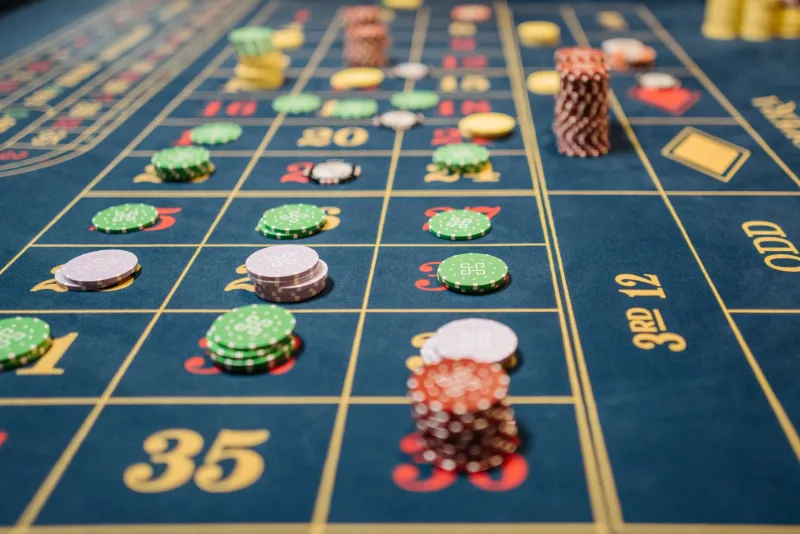
Same goes for the number 13 itself. American players routinely skip it. They'll bet on 12, bet on 14, but avoid 13 like it's radioactive. In a game of pure probability, this is the equivalent of covering your eyes and hoping the math looks different.
The 888 Flip: Why Lucky Numbers Are a Better Framework
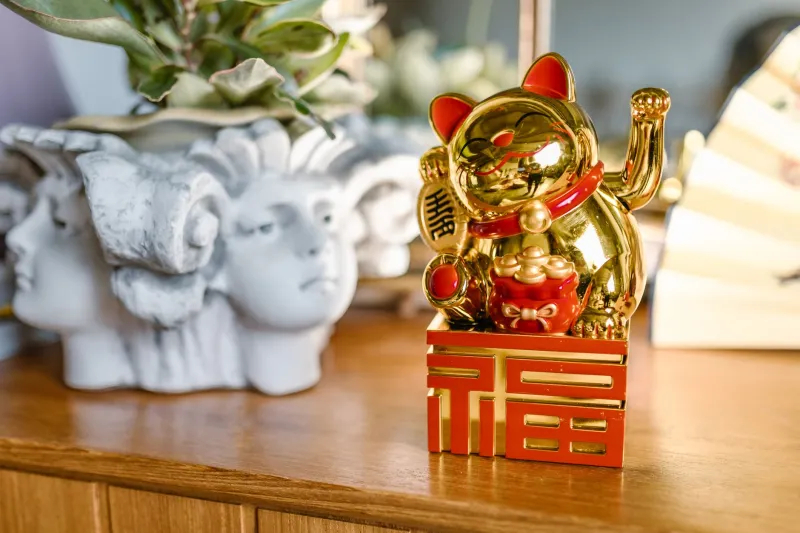
Now consider the Asian approach. The number 8 is considered deeply auspicious across Chinese, Vietnamese, and broader Southeast Asian cultures—its pronunciation in Cantonese and Mandarin sounds like the word for prosperity. That's why you see it embedded in platform names, phone numbers, license plates, and business addresses throughout Asia. It's why KeoNhaCai888 carries the number proudly.
But here's where Western observers often get it wrong: they assume this is just superstition in the opposite direction. Lucky numbers instead of unlucky ones. Same cognitive error, different flavor.
The more sophisticated read is that Asian gaming culture uses lucky numbers as a positive framing device rather than a fear-based avoidance system. The difference matters enormously in practice. A player who gravitates toward the number 8 because it feels auspicious is still making a bet. A player who avoids the number 13 is not making a bet—or is making a compromised one based on anxiety rather than analysis.
Positive framing keeps you in the game. Fear-based avoidance pulls you out of it at exactly the wrong moments.
What the Data Actually Shows About 'Cursed' Betting Days
KeoNhaCai888 and similar Asian-operated platforms have access to something most US bettors never see: aggregated behavioral data across enormous player bases spanning multiple countries and cultural contexts. When you run that data, some patterns become impossible to ignore.
Players operating under Western superstition frameworks show significantly higher variance in their betting frequency—not because of the games themselves, but because of self-imposed restrictions tied to dates, numbers, and arbitrary 'signs.' They bet less on certain days. They abandon sessions earlier when they encounter what they've mentally coded as a bad omen. They increase bet sizes erratically after wins because they believe they're 'on a hot streak' rather than understanding regression to the mean.
Players who approach betting through a probability-first lens—which tends to be more common in Asian gaming communities—show flatter, more consistent behavioral patterns. They're not immune to emotion, but their decision framework gives them a rational anchor to return to when feelings run high.
The practical outcome? Lower variance in bankroll depletion. Longer session sustainability. Better long-term return percentages, not because the odds changed, but because the decision-making improved.
Ditching the Folklore Without Losing the Fun
None of this means you have to become a robot at the betting table. Part of what makes gaming entertaining is the narrative layer—the feeling that something is at stake beyond the math, that you're reading the room, that today might just be your day. That's not going away, and it shouldn't.
What Asian gaming platforms are quietly promoting isn't the elimination of fun. It's the replacement of fear-based superstition with positive ritual. There's a meaningful difference between avoiding a bet because you're scared of the number 13 and approaching a bet with confidence because you've done your homework on the lines, set a clear bankroll limit, and decided today is a good day to play.
One of those mindsets puts you in control. The other hands control to a ghost.
KeoNhaCai888's platform design reflects this philosophy in subtle ways—from the way bonuses and promotions are framed around abundance rather than scarcity, to the community culture that celebrates disciplined play over dramatic swings. It's an environment built to reinforce rational optimism rather than anxious avoidance.
The Practical Takeaway for US Players
If you're an American bettor who wants to actually close the gap between your gambling behavior and optimal gambling behavior, start with an honest audit. Ask yourself:
- Are there dates or days you tend to skip betting, not because of schedule conflicts, but because of a vague feeling?
- Do you have numbers you avoid or numbers you chase?
- When you lose a few hands in a row, do you tell yourself the session is 'jinxed' before your bankroll logic says it's time to stop?
If any of those land, you're paying the superstition tax. And unlike the house edge—which you can't negotiate away—this one is entirely optional.
The Asian gaming philosophy that platforms like KeoNhaCai888 are built on doesn't promise magic. It promises something better: a framework for making decisions that holds up under pressure, doesn't collapse on the 13th of the month, and doesn't cost you money because a black cat crossed someone's path in 1347.
Thirteen is just a number. The math doesn't care. It might be time to stop caring too.