More Than a Bet: How Asian Gaming Platforms Are Building Communities That US Sportsbooks Simply Can't Match

Picture your average Sunday with a major US sportsbook. You log in, scan the lines, drop your parlay, and wait. There's no conversation, no ritual, no shared excitement with anyone else on the platform. It's efficient, sure — but it's also kind of lonely.
Now picture the same Sunday on an Asian gaming platform. There's a live chat buzzing with predictions. Someone from the community just shared a breakdown of last night's match. A seasonal event tied to a regional holiday is running with bonus rewards. And your betting circle — a small group of regulars you've built a rapport with over months — is already deep in discussion about tonight's card.
That contrast is exactly why a growing number of US players are quietly migrating away from the big-name American sportsbooks and toward platforms like KeoNhaCai888. It's not just about better odds or faster payouts (though those matter too). It's about the culture.
What "Community" Actually Means in Asian Gaming
In Western sports betting, the word "community" gets thrown around a lot, but it usually just means a loyalty program or a public leaderboard. Asian gaming platforms tend to approach it differently — and more seriously.
The community-first model is deeply embedded in how gaming culture developed across Vietnam, the Philippines, Thailand, and other parts of Southeast Asia. Betting on sports, playing card games, and wagering on outcomes has historically been a social activity — something you do with people you know and trust, not in isolation behind a screen.
That philosophy carries over into the digital space. On platforms built with this ethos, you'll find features that actively encourage player interaction: group prediction contests, community leaderboards with real social stakes, forums where strategy gets debated with genuine passion, and seasonal events that bring the whole player base together around shared cultural moments.
For US players — especially younger ones who've grown up on Discord servers, Twitch communities, and Reddit threads — this structure feels instantly familiar. It's the same impulse that drives people to fantasy football leagues instead of straight sportsbook bets. The social layer is the whole point.
Peer-to-Peer Betting and the Trust Factor
One of the most underrated features on many Asian gaming platforms is the peer-to-peer or group betting structure. Rather than always betting against the house, players can set up private pools, challenge friends, or join community-organized prediction leagues.
This matters for a few reasons. First, it creates accountability. When you're betting within a known group, your reputation is on the line in a way it simply isn't when you're anonymous on a massive US sportsbook. Second, it makes winning feel more meaningful — you're not just beating an algorithm, you're outpredicting people whose opinions you actually respect.
There's also a knowledge-sharing element that emerges naturally from these structures. Experienced players tend to share insights more freely when they're invested in a community's overall success. Newcomers learn faster. And the whole ecosystem becomes more sophisticated over time.
Cultural Events as Connective Tissue
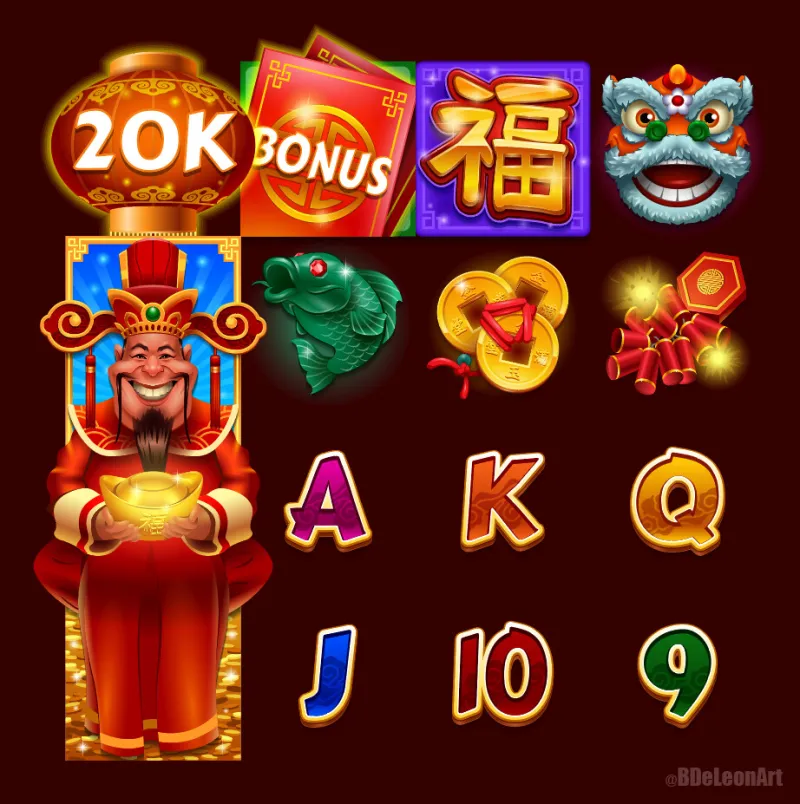
Here's something you won't find on DraftKings: a platform-wide celebration tied to Tết Nguyên Đán (Vietnamese Lunar New Year) that includes special bonus structures, themed games, community leaderboard challenges, and a genuine sense of collective festivity.
Asian gaming platforms regularly build their promotional calendars around cultural milestones — not just Western holidays or major sporting events. Lunar New Year, the Mid-Autumn Festival, regional sporting traditions, and local lucky number customs all become occasions for community engagement.
For American players with Vietnamese, Chinese, Filipino, or broader Asian heritage, this resonates deeply. It's a rare moment when a gaming platform acknowledges and celebrates their cultural identity rather than just defaulting to generic American sports marketing.
But even for US players with no direct cultural connection to these traditions, there's an undeniable appeal. These events feel special and distinct. They offer something you genuinely can't get anywhere else. And they create shared reference points — the kind of "remember when we all went crazy during that Tết bonus round" moments that build real community memory.
Why Transactional Sportsbooks Are Starting to Feel Hollow
The major American sportsbooks have poured enormous resources into acquisition — flashy welcome bonuses, celebrity endorsements, aggressive advertising during NFL broadcasts. And those tactics work for getting people in the door.
But retention is a different story. When the welcome bonus runs out and the novelty fades, what keeps a player engaged? For a lot of people, the honest answer is: not much. The platform is a utility. You use it when you want to bet, and you close the app when you're done.
Asian gaming platforms are betting — pun intended — that players want more than utility. They want an experience that has texture and continuity. They want to feel like regulars somewhere, not just account numbers.
And increasingly, the data backs this up. Retention rates on community-driven platforms tend to outperform purely transactional models. Players who feel socially invested in a platform are less likely to bounce to a competitor over a marginally better line.
The Social Gaming Crossover
It's worth noting that this community-first approach isn't just a sports betting phenomenon — it's part of a broader shift in how people want to engage with gaming in general.
The rise of social casino games, multiplayer online platforms, and streaming-integrated gaming has conditioned a whole generation of players to expect interactivity. Watching someone else play is almost as entertaining as playing yourself. Sharing a big win with an audience is part of the reward.
Asian gaming platforms, many of which grew up alongside this cultural shift in markets where social gaming was already dominant, are naturally well-positioned to deliver this experience. The integration of live chat, community prediction boards, and group events isn't an afterthought — it's foundational to how these platforms were designed.
Finding Your People in an Unexpected Place
If you'd told most American sports bettors five years ago that they'd find their most engaged gaming community on a Vietnamese-influenced platform, they probably would've laughed.
But here we are. The combination of cultural richness, genuine community infrastructure, and a philosophy that treats players as participants rather than transactions has quietly made Asian gaming platforms some of the most compelling spaces in the US online betting market.
For players who've been feeling like something's missing from their current sportsbook experience — who want the thrill of competition wrapped in actual human connection — it's worth exploring what's on the other side of that cultural divide.
Sometimes the best community you'll ever find is the one you weren't expecting.